Sustainability and Quality Assurance
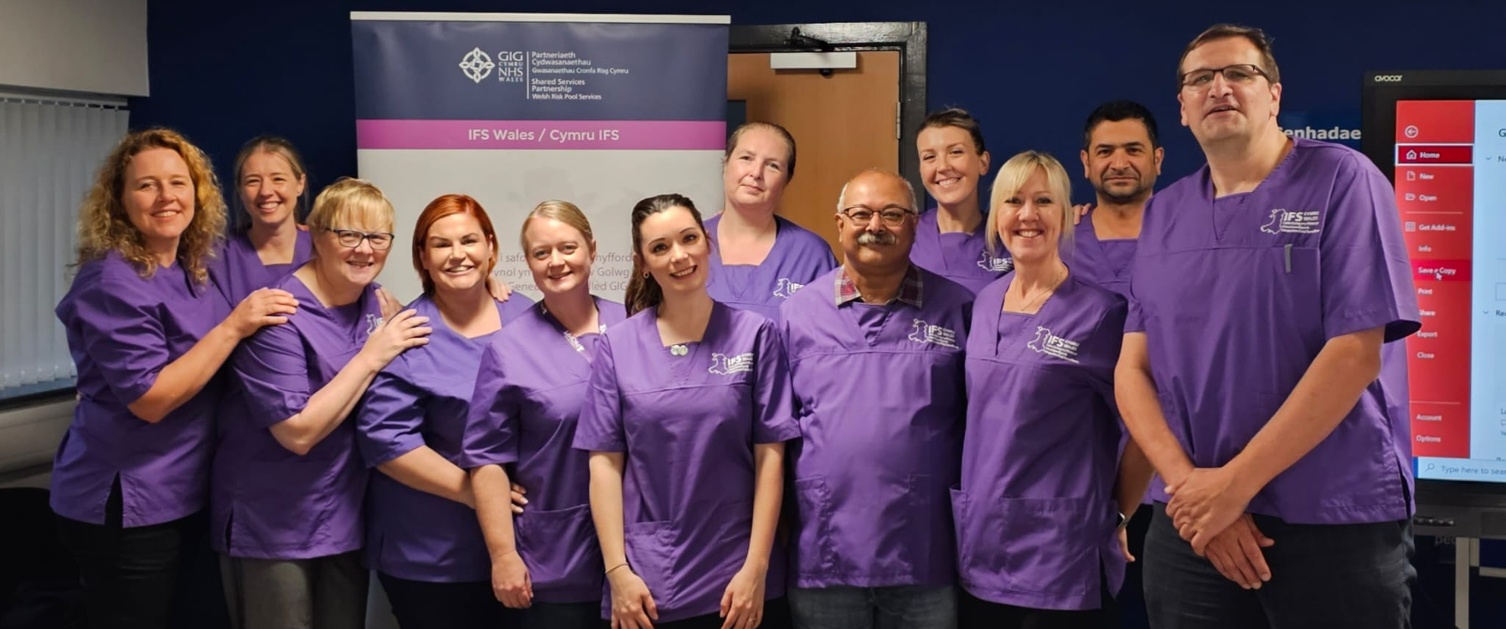
IFS Wales has evolved through a structured programme of implementation, evaluation and refinement as a national maternity safety initiative designed to improve the recognition, interpretation and escalation of intrapartum fetal surveillance concerns across Wales. The education programme serves as the primary vehicle through which these safety objectives are delivered.
IFS Wales operates within a quality assurance framework that provides assurance to the Welsh Risk Pool and Welsh Government that the programme is delivered consistently and to a high standard across all NHS Wales Health Boards.
Quality Assurance
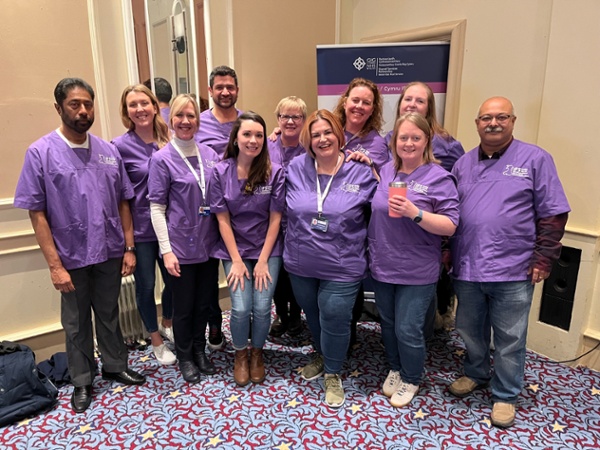
A formal Quality Assurance (QA) programme commenced in September 2026. The QA process will provide supportive review of programme delivery against the All Wales IFS Wales Standards, ensuring fidelity to the national training resources, consistency of facilitation, appropriate multiprofessional engagement and effective integration of human factors principles. Findings from QA visits will be used to identify areas of good practice, share learning across Wales and support continuous improvement.
The Quality Assurance process will also provide assurance that the programme continues to deliver against its intended safety objectives, including the standardisation of practice, promotion of effective escalation, support for physiological interpretation and strengthening of multidisciplinary communication.
Quality assurance across IFS Wales is delivered through three mechanisms:
Observational Programme Review
Structured visits are conducted by National Team members to observe training delivery in real settings. These assess fidelity to programme design, multiprofessional faculty composition, learning environment, quality of facilitation and integration of human factors. Reviews include immediate hot debriefs, written feedback to the Health Board and identification of good practice for wider sharing.
Annual Compliance Reporting
Health Boards report annually against the IFS Wales National Standards, including workforce identification, programme delivery, faculty composition and participation rates. These reports are reviewed by the Welsh Risk Pool Maternity and Neonatal Safety and Learning Programme Board.
Delegate and Facilitator Feedback
Questionnaires are embedded into each training day using QR codes, capturing data aligned to the Kirkpatrick evaluation model. Facilitator surveys are also collected anonymously. The Second Edition of the programme was specifically structured to capture Kirkpatrick Stage 3 data, measuring the extent to which delegates apply their learning in practice.
Baseline clinical outcome data has been secured for term APGAR scores, term intrapartum stillbirth, early neonatal deaths and HIE grades 2 and 3, providing a foundation for long term outcome measurement.
Linked programmes
IFS Wales sits alongside other national programmes funded by the Welsh Risk Pool, forming a coordinated national investment in workforce capability and the reduction of avoidable harm across the perinatal sector in Wales.
- PROMPT Wales: Practical Obstetric Multi Professional Training. Scenario based, multiprofessional training in obstetric emergencies and human factors. Established since 2018 and fully embedded across NHS Wales.
- Community PROMPT Wales: Extending the PROMPT Wales model to community settings, including Welsh Ambulance Service Trust (WAST) paramedics and ambulance technicians.
- MoNET Wales: Multiprofessional Neonatal Emergency Training - A training programme for neonatal services, developed by the Welsh Risk Pool and implemented in January 2025.