Transforming Access to Medicines (TrAMs)
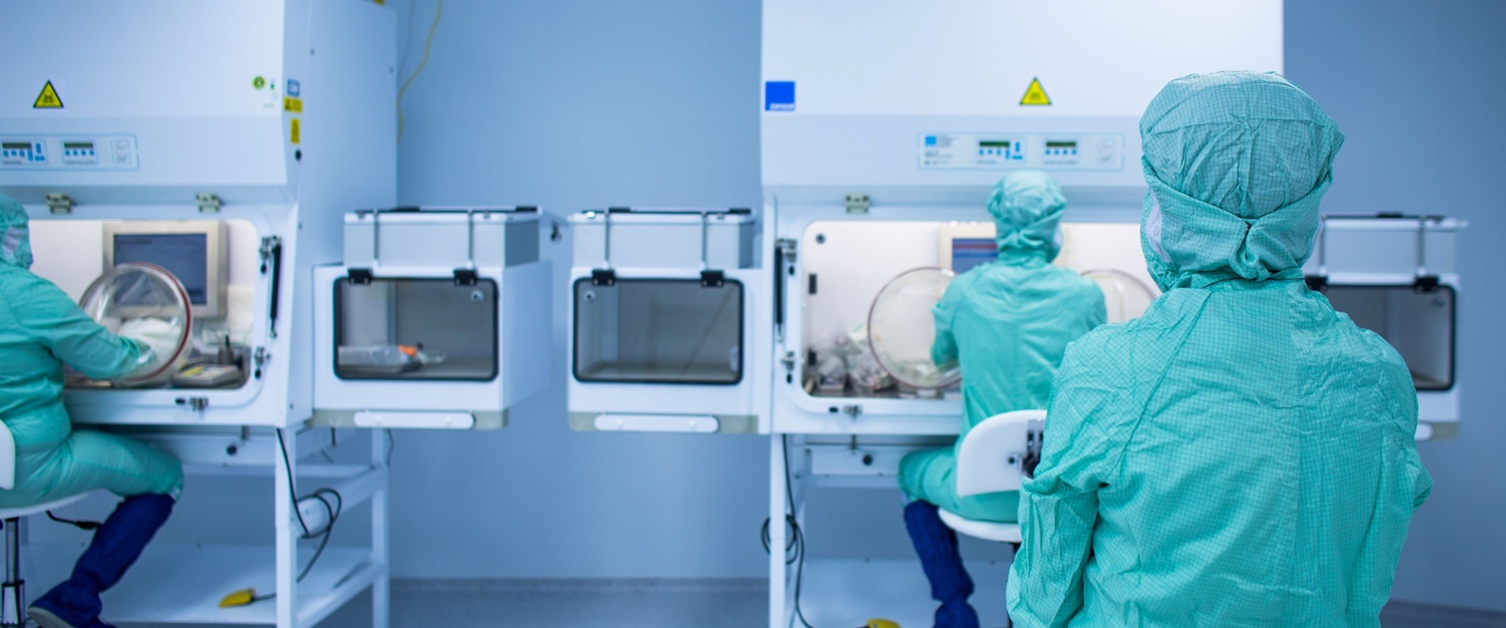
Transforming Access to Medicines (TrAMs) is an All-Wales programme to transform Pharmacy Technical Services and reconfigure the decentralised services as one, national medicines manufacturing service to provide a more efficient, innovative, resilient and compliant service for NHS Wales.
TrAMs will transform medicines manufacturing in Wales for some of the most innovative and life-saving treatments including cancer therapies, parenteral nutrition and other intravenous medicines.
Pharmacy Technical Services currently operate as decentralised services throughout Wales, managed in isolation by Health Boards and Trusts. The service is a specialty area within Hospital Pharmacy and includes Aseptic Services, who are responsible for the sterile preparation of injectable medicines in a ready-to-administer/use format. Aseptic Services prepare and supply medicines that are complex and high-risk, including systemic anti-cancer therapies (SACT), parenteral (intravenous) nutrition (PN) for patients unable to absorb nutrients from the food they eat, and radiopharmaceuticals, which are radioactive medicines used in the diagnosis and treatment of cancer.
Aseptic Services are highly technical and specialised, and upgrading these services to maintain compliance with increasingly stringent UK regulatory standards is essential in order to continue supplying medicines to patients. The ability of existing services to adapt and innovate is extremely limited due to physical space constraints, lack of resource and continued reliance on external commercial suppliers leading to high costs.
NWSSP endeavours to address the ongoing challenges faced by Health Boards and Trusts and develop medicine manufacturing hubs in North, South-East and South-West Wales to deliver Pharmacy Technical Services on behalf of NHS Wales. The hubs will house aseptic clean rooms to provide sterile environments suitable for the manufacture of critical medicines. Alongside construction of the facilities, TrAMs will prioritise developing a sustainable workforce of highly-skilled pharmacists, pharmacy technicians and scientists by investing in robust training programmes and structured career pathways. Reconfiguration of services will also involve the implementation of a digital platform, already in use by the Health Boards and Trusts, to ensure a smooth and efficient transition to the medicines ordering process. Once established, TrAMs will be licensed under the MHRA Manufacturer’s Specials licence to ensure manufacturing processes of the highest quality are maintained, and vital medicines can continue to be supplied to patients across Wales.
A Programme Business Case for TrAMs has been endorsed by Welsh Government, and work is ongoing to identify, acquire and develop regional facilities in a phased approach. Following a capital investment of £7m awarded by Welsh Government, a Radiopharmacy in South-East Wales is the first TrAMs facility to be developed and is due to open in late 2026. A business case recently submitted to Welsh Government requested a capital investment of £22m to develop the second TrAMs facility in South-East Wales (co-located with the Radiopharmacy) for the manufacture of other life-saving medicines, including SACT and PN. Subject to award of Welsh Government funding, the South-East Hub is estimated to open within 2–3 years. Identification of appropriate sites in North and South-West Wales is ongoing, and while exact delivery timescales are unconfirmed, the TrAMs programme aims to open hubs in these regions between 2029–2031.